
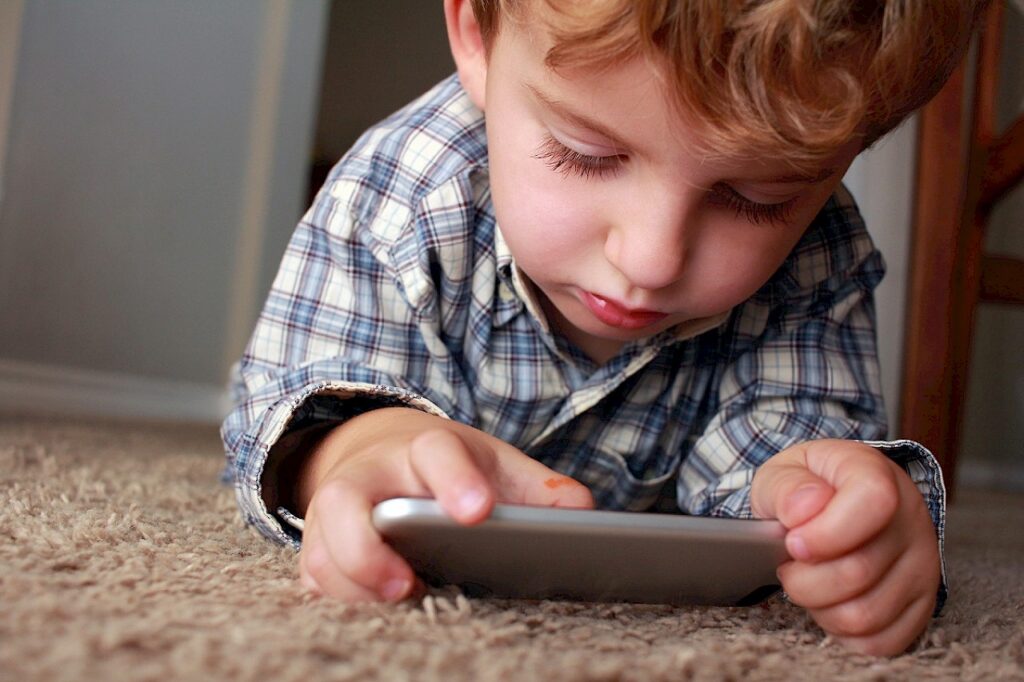
It’s a question that keeps coming up – are Fortnite and YouTube harming children’s development, or are they just harmless entertainment? As parents and educators, we often assume that these platforms are simply part of modern life, but we need to ask ourselves: what happens when kids have unrestricted access to digital worlds designed to keep them hooked?
There’s no denying that gaming and online content have their benefits, but the growing body of research on screen addiction, attention deficits, childhood anxiety and social skill decline suggests we should be far more cautious about how children interact with them.
So, Why We Should Be Concerned?
1. Screen Time Is Reshaping Attention Spans
Think about how Fortnite and YouTube work. Fortnite is fast-paced, competitive, and constantly evolving. It delivers an instant dopamine hit every time players win battles, level up, or earn new rewards. The high-energy gameplay is exciting—but it also trains kids to expect instant gratification. YouTube’s autoplay algorithm feeds kids an endless stream of videos that are short, fast-moving, and highly stimulating. The more they watch, the more their brain craves quick, easy entertainment over deep thinking or real-world problem-solving.
Research published in JAMA Pediatrics (2022) found that increased screen time is linked to reduced attention spans, making it harder for children to focus on schoolwork, read books, or engage in creative, unstructured play. If a child is used to Fortnite’s fast-action gameplay or YouTube’s rapid-fire entertainment, how can we expect them to sit still and concentrate for long periods in school?
2. Gaming and Social Media Can Become Addictive
The business model of both Fortnite and YouTube is simple: keep people engaged for as long as possible.
- Fortnite is free to play, but it thrives on microtransactions and seasonal updates that create a sense of urgency. Kids don’t just want to play – they feel like they have to keep up with their friends or risk missing out.
- YouTube’s algorithm studies viewing habits and serves up increasingly engaging content to keep kids watching. Over time, children develop a reliance on constant entertainment, finding it difficult to self-regulate their screen use.
The World Health Organization (WHO) has officially classified gaming addiction as a mental health disorder, with symptoms that include withdrawal, loss of interest in other activities, and an inability to control playtime. Many parents report that limiting Fortnite time leads to tantrums, anxiety, or even aggression, which are classic signs of digital dependence.
This isn’t just a question of “too much screen time.” It’s about how these platforms are psychologically designed to override self-control.
3. The Decline of Real-World Social Skills
While gaming and social media connect kids in digital spaces, they can’t replace real-life interactions. Fortnite teaches teamwork, but it does so through avatars and headsets, removing face-to-face communication, body language, and empathy—all critical social skills. YouTube, especially with passive consumption, discourages active engagement. Kids are watching rather than doing, which can lead to delayed social development.
A 2018 UK Children’s Commissioner report found that many children struggle with in-person conversations because they spend so much time socialising online. This lack of real-world experience can make school interactions, friendships, and even family dynamics more difficult.
Children are meant to develop communication skills through real-world play, eye contact, and unstructured socialising—things that screens simply don’t provide.
4. Exposure to Inappropriate Content
One of the biggest dangers of unrestricted online access is that not all content is appropriate—no matter how “kid-friendly” it seems. YouTube Kids is supposed to be a safe space, but many parents (myself included) have realised that questionable content still slips through the filters. Many “family-friendly” Fortnite chats expose kids to toxic behaviour, inappropriate language, and even online predators.
Even with safeguards in place, it’s easy for kids to stumble upon violent, manipulative, or harmful content. If left unchecked, they can be influenced by distorted realities, unrealistic expectations, and social pressures that they aren’t emotionally ready to handle.
So, Are Fortnite and YouTube the Problem—Or Is It Free Access?
Fortnite and YouTube aren’t inherently bad—they have value when used in moderation. But the reality is that most children aren’t capable of self-regulating their screen time, nor do they fully understand the impact these platforms have on their mental wellbeing.
The real problem isn’t the technology itself—it’s the lack of boundaries. Unrestricted access means:
❌ Kids spending hours in digital worlds instead of the real world
❌ Overstimulation leading to attention problems and anxiety
❌ Reduced physical activity and real-world social interaction
❌ Exposure to inappropriate content and online risks
It’s our responsibility as parents to set the boundaries that tech companies won’t.
How to Keep Gaming & Online Media in Check
- Set time limits – Just like bedtime and meals, screen time should have clear restrictions. No screens before bed, limited gaming sessions, and no autoplay on YouTube.
- Turn off autoplay and notifications – This prevents the algorithm from dictating how long your child stays online.
- Encourage real-world activities – Outdoor play, hands-on hobbies, and physical socialising should always come before digital entertainment.
- Monitor content carefully – Don’t assume “child-friendly” settings are foolproof. Check what your kids are watching and playing.
- Have open conversations – Talk to your kids about why limits exist. Help them understand the risks of unlimited screen time.
Final Thoughts: A Generation at a Crossroads
We are the first generation of parents raising children in a fully digital world. That means we can’t rely on our own childhood experiences to guide us—we have to actively decide how much access is too much.
So, is Fortnite and YouTube damaging a generation? My personal view is probably, but…
Children need balance, structure, and real-world experiences to grow into happy, capable, and socially confident adults. If we don’t set those limits, we risk raising a generation that is more connected than ever—yet more disconnected from reality than any before it.
Now is the time to take back control and make sure technology works for our kids, not the other way around.